
Explore Chinatown Bangkok: Food, Markets & More
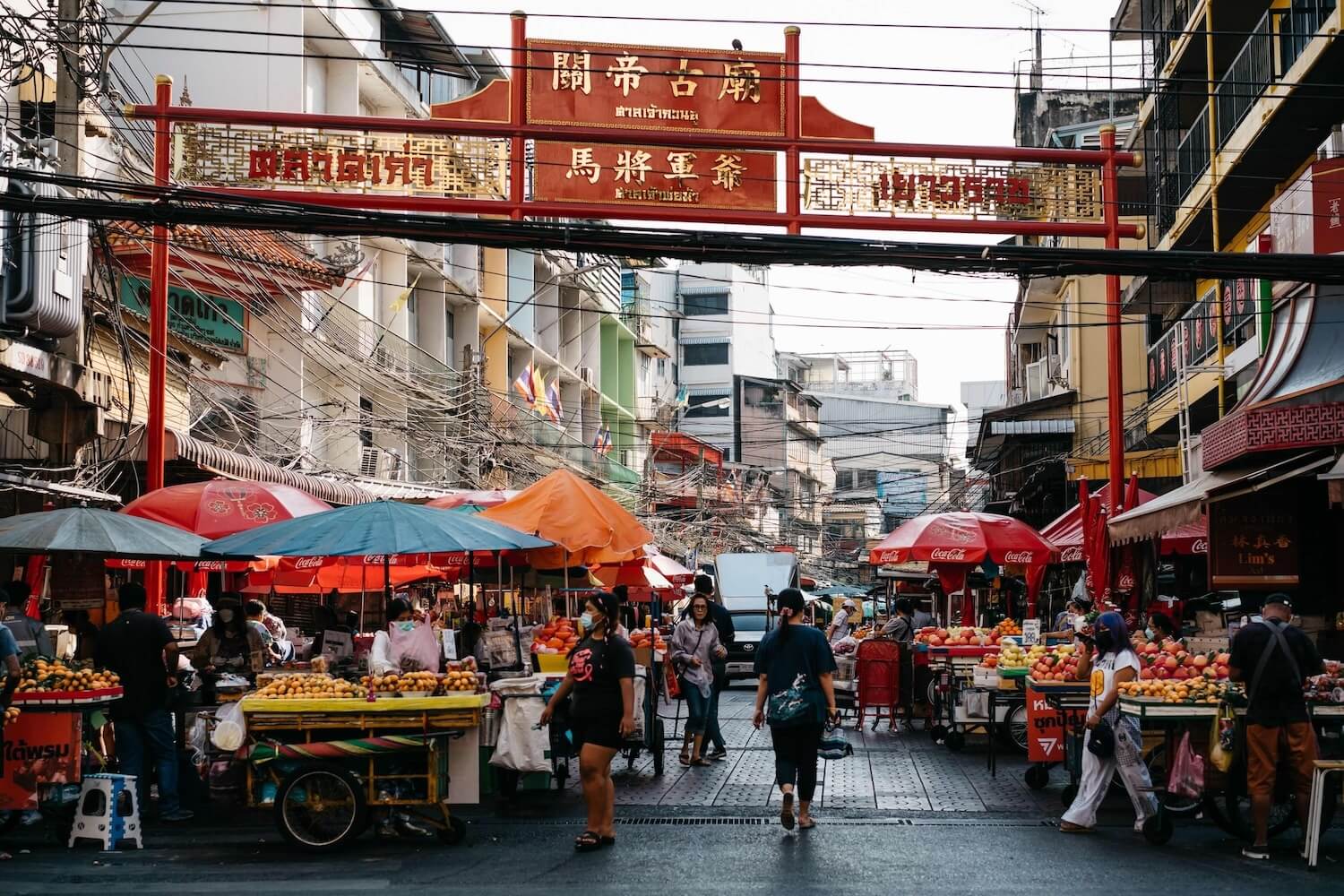
Step into Chinatown in Bangkok and the city shifts into a different rhythm, one of clattering woks, temple bells and neon signs stacked three deep above the pavement. Centred on historic Yaowarat Road in the Samphanthawong district, this is one of the oldest Chinese quarters in Southeast Asia, dating back to the late 18th century and it remains the beating heart of the city’s Thai-Chinese community.
Whether you arrive at sunrise, when shutters are just rattling open, or after dark, when the food stalls hit full swing, Chinatown in Bangkok rewards travellers who are happy to wander, get a little lost and eat along the way. Here’s what to do in Chinatown, Bangkok, where to eat and how to fit it all into your stay at PIPA Hotel.
Key Takeaways
- Location: Samphanthawong District, between the Chao Phraya River and the city’s modern shopping hubs.
- Best known for: Yaowarat Road, often nicknamed the “belly of the dragon” for its endless food stalls.
- Signature sight: the Golden Buddha at Wat Traimit, one of the largest solid-gold statues in the world.
- From PIPA Hotel: an easy MRT, taxi, or Grab ride from Sukhumvit, making it a natural half-day or evening add-on to your stay.
How to Get to Chinatown, Bangkok
- By MRT: Take the Blue Line to Wat Mangkon Station, which puts you right on Yaowarat Road. Hua Lamphong and Sam Yot stations are also close by.
- By BTS + boat: Ride the Silom Line to Saphan Taksin, walk to the pier and take the Chao Phraya Express Boat to Ratchawong or the Marine Department pier for a scenic, traffic-free arrival.
- By taxi, tuk-tuk, or Grab: Easy to find around the city, just ask for “Yaowarat”. Traffic on and around Yaowarat itself gets heavy in the evening, so factor in extra time.
- By bus: several public bus routes run through the area, a low-cost option if you’re not in a hurry.
- From the airport: Suvarnabhumi Airport is roughly 32km away. The Airport Rail Link to Ratchaprarop connects to a bus, taxi, or Grab from there. Don Mueang is around 28km away and involves a bus transfer, so a taxi or Grab is the more convenient route.
Staying at PIPA Hotel on Sukhumvit Soi 11 puts you within easy reach of Chinatown by MRT, taxi, or Grab, so you can spend the day among Yaowarat’s markets and temples and still be back in time for dinner or an evening out exploring Sukhumvit nightlife.
What to Do in Chinatown, Bangkok
From historic temples and bustling markets to hidden alleyways, heritage buildings and riverside views, Bangkok’s Chinatown is packed with experiences that showcase its rich culture and character.
Wat Traimit
Home to the Golden Buddha, a solid-gold statue weighing around 5.5 tonnes and considered one of the largest in the world. It’s a working temple, so dress modestly and follow the posted guidance on respectful behaviour inside.
Talad Noi
A maze-like old community of metal workshops, small family shrines and backstreets covered in murals painted by visiting street artists. The alleys are easy to get lost in, so a guided walking tour is a good way to see the highlights, including one of the neighbourhood’s favourite Instagram spots, an old VW Beetle parked among the shophouses.
Sampheng Market
One of Bangkok’s oldest wholesale bazaars. The Sampheng Market is a narrow, covered lane packed with stalls selling everything from fabric and stationery to kitchenware and dried spices, often at some of the lowest prices in the city.
Nana Soi
Not to be confused with Nana Plaza on Sukhumvit, this small road near Yaowarat has a distinct hipster streak, with old shophouses converted into guesthouses, cocktail bars and cafes.
A Sundowner by the River
Several rooftop bars along the Chao Phraya offer river views without the dress codes or price tags of the city’s fancier rooftops, a relaxed way to watch the sun go down over the water.
Sol Heng Tai Mansion
A century-old Chinese merchant’s house, now home to a small cafe and a courtyard pool, is also the only dive centre in Bangkok. Sol Heng Tai is one of Chinatown’s more unexpected finds.
Chinatown Bangkok Street Food
Yaowarat’s reputation is built on the street. Expect sizzling woks of seafood, steaming baskets of dim sum, whole ducks hanging in shop windows, mango sticky rice, egg custard tarts and rolled rice noodles (guay chub) sold from carts on almost every corner. Look out for stuffed toasted bread stalls too, serving warm buns filled with Thai milk tea or chocolate.
If you’d rather have a local guide navigate the maze of stalls and pick the best bites for you, a Chinatown food tour is a good way to sample a wide cross-section in one evening without the guesswork.
Where to Eat in Chinatown, Bangkok
- Hua Seng Hong: A long-running, always-busy dim sum restaurant with menus in Chinese and English.
- T&K Seafood: A Yaowarat corner institution for grilled prawns, mussels with holy basil and fresh catches, with sidewalk or upstairs seating.
- Ba Hao: A restored shophouse restaurant known for its Tan Tan noodles, duck wontons and an inventive cocktail menu.
- Small dumpling counters: Recommended in Michelin’s inexpensive-eats guide, best known for takeaway prawn dumplings.
- Other well-regarded names around the neighbourhood: Nai Ek Roll Noodles, Lek & Rut Seafood and Tia Sua Restaurant.
China Town, Bangkok Market: Sampheng and Beyond
Beyond the food stalls, the China Town, Bangkok market scene runs from the gold shops lining Yaowarat Road to the covered lanes of Sampheng Market. Expect to find a lot of traditional Chinese medicine pharmacies stocked with dried herbs, gold and jewellery stores, silk and textiles and stalls selling stationery, souvenirs and local snacks.
Night Market, Chinatown, Bangkok
Most shops open around 9 am, but the neighbourhood is really built for the evening. Restaurants and street stalls stay busy until close to midnight and once the sun goes down, neon signage lights up Yaowarat Road in a wash of red and gold.
This is when the night market, Chinatown, Bangkok, truly comes alive, food carts multiply, queues form outside the seafood spots and rooftop bars and river-view terraces fill up with locals and travellers alike.
Best Time to Visit Chinatown, Bangkok
Evening, from around 6 pm onwards, is the best time to visit Chinatown, Bangkok. Around this time is when the street food stalls, lit-up signage and market crowds are at their liveliest. If you’d rather explore without the crowds and heat, an early morning wander has its charm: shutters just opening, breakfast stalls setting up and streets quiet enough to actually take in the architecture.
One practical note: many street food vendors take Mondays off, so aim for Tuesday through Sunday if a specific stall is on your list.
Where to Stay Near Chinatown, Bangkok
Chinatown has its pocket of characterful guesthouses tucked into century-old shophouses, with steep staircases, a handful of rooms and shared bathrooms rather than full hotel amenities. It’s a charming one-night stay, but if you’d rather have the comfort of a proper hotel base while still being close to the action, staying on Sukhumvit is the easier call.
PIPA Hotel Bangkok, located on Sukhumvit Soi 11, is just a short MRT, taxi, or Grab ride from Chinatown’s temples and markets, while also keeping you within walking distance of Sukhumvit nightlife, the best bars in Sukhumvit Soi 11 and the top shopping malls in Bangkok for the rest of your stay.
Spend the day exploring Yaowarat, then head back to a comfortable room and PIPA’s complimentary shuttle service to Nana BTS and Terminal 21 to carry on exploring after dark.
Have more questions? Visit our FAQs page to find quick answers before or during your stay.
FAQs
1. What are the best things to do in Chinatown Bangkok at night?
After dark, Yaowarat Road fills with street food vendors, glowing neon signage and a lively crowd browsing the stalls. It’s also a good time for a rooftop sundowner along the Chao Phraya or a wander through the lit-up lanes near Talad Noi.
2. Why is Chinatown Bangkok famous?
Chinatown, centred on Yaowarat Road, is known for its street food, Thai-Chinese culinary fusion, bustling markets and historic temples like Wat Traimit, all packed into a neighbourhood that dates back to the late 1700s.
3. What can I buy in Chinatown, Bangkok?
Sampheng Market and the surrounding streets are known for their gold jewellery, traditional Chinese herbs and spices, silk and textiles and a wide range of souvenirs and local snacks.
4. What food should I try in Chinatown, Bangkok?
Don’t miss dim sum, fresh seafood, rolled rice noodles (guay chub), mango sticky rice and egg custard tarts. On the street food side, look for fried rice, tom yum soup and stir-fried noodles from the Yaowarat stalls.
5. What are the best restaurants in Chinatown, Bangkok?
Popular picks include Hua Seng Hong, T&K Seafood, Nai Ek Roll Noodles, Lek & Rut Seafood and Tia Sua Restaurant.
6. Are the markets in Chinatown open every day?
Yes, most shops and markets open daily, generally from around 9 am. Keep in mind that many street food vendors take Mondays off, so Tuesday through Sunday is the better window for the full food-stall experience.
7. How do I get to Chinatown from the PIPA Hotel?
From PIPA Hotel on Sukhumvit Soi 11, Chinatown is a short taxi or Grab ride away, or you can take the MRT for a fixed-price, traffic-free option into the heart of Yaowarat.